Passive fire control forms the foundation of comprehensive fire safety strategies in modern buildings.
Unlike active fire protection systems that require activation or human intervention, passive fire control systems work independently to contain fire and prevent its spread throughout a structure.
Understanding the critical role of passive fire control is essential for architects, engineers,
Fire protection systems are broadly categorised into two complementary approaches: Active and passive fire protection.
Here, we explain the difference between active and passive systems and demonstrate how they work together to create robust fire safety measures.
While active fire protection systems like sprinkler systems and fire alarms respond to fire conditions, passive fire control measures are built into the structure itself, providing continuous protection without requiring activation.
The integration of active and passive fire protection creates multiple layers of defense against fire hazards. Active fire protection systems detect, suppress, and alert occupants to fire emergencies, while passive fire control systems contain the fire within specific areas and maintain structural integrity during fire exposure.
Together, these systems form a comprehensive fire safety strategy that addresses both immediate response and long-term containment needs.
Conduct a comprehensive fire risk assessment to identify potential fire hazards and determine appropriate passive fire control requirements.
This initial step involves analysing building occupancy, construction materials, escape routes, and local fire safety regulations. The assessment guides the selection of passive fire protection systems and establishes fire resistance requirements for different building elements.
Fire safety professionals evaluate the building’s layout, potential fire exposure scenarios, and occupant characteristics to develop a tailored passive fire control strategy.
Custom Evacuation Plan Design (Routes & Maps)
Design passive fire control systems based on the fire risk assessment findings and relevant building codes.
This step involves specifying fire resistance ratings for walls, floors, and ceilings, selecting appropriate fire doors and fire stopping materials, and determining fire compartmentation layouts. Engineers and architects work together to integrate passive fire protection measures into the building’s structural design.
Fire protection system specifications must consider compatibility with active fire protection systems and overall building performance requirements.
Installation and Construction
Install passive fire control systems according to manufacturer specifications and approved installation methods. This critical step requires trained technicians to properly install fire stopping materials, fire doors, fire walls, and other passive fire protection components.
Quality control measures ensure that all installations meet fire resistance rating requirements and maintain fire compartmentation integrity. Proper installation is essential for passive fire protection systems to function effectively in the event of a fire.
Inspection, Testing, and Maintenance
Establish ongoing inspection and maintenance programs to ensure passive fire control systems remain effective throughout the building’s lifecycle.
This final step includes regular visual inspections of fire doors, testing of fire and smoke dampers, and verification that fire stopping installations remain intact. Documentation of all maintenance activities helps demonstrate compliance with fire safety regulations and ensures that any deficiencies are promptly addressed.
Regular maintenance prevents deterioration of passive fire protection measures and maintains their ability to contain fire and prevent the spread of fire and smoke.
Fire Stoppers
ActiveFire Protection
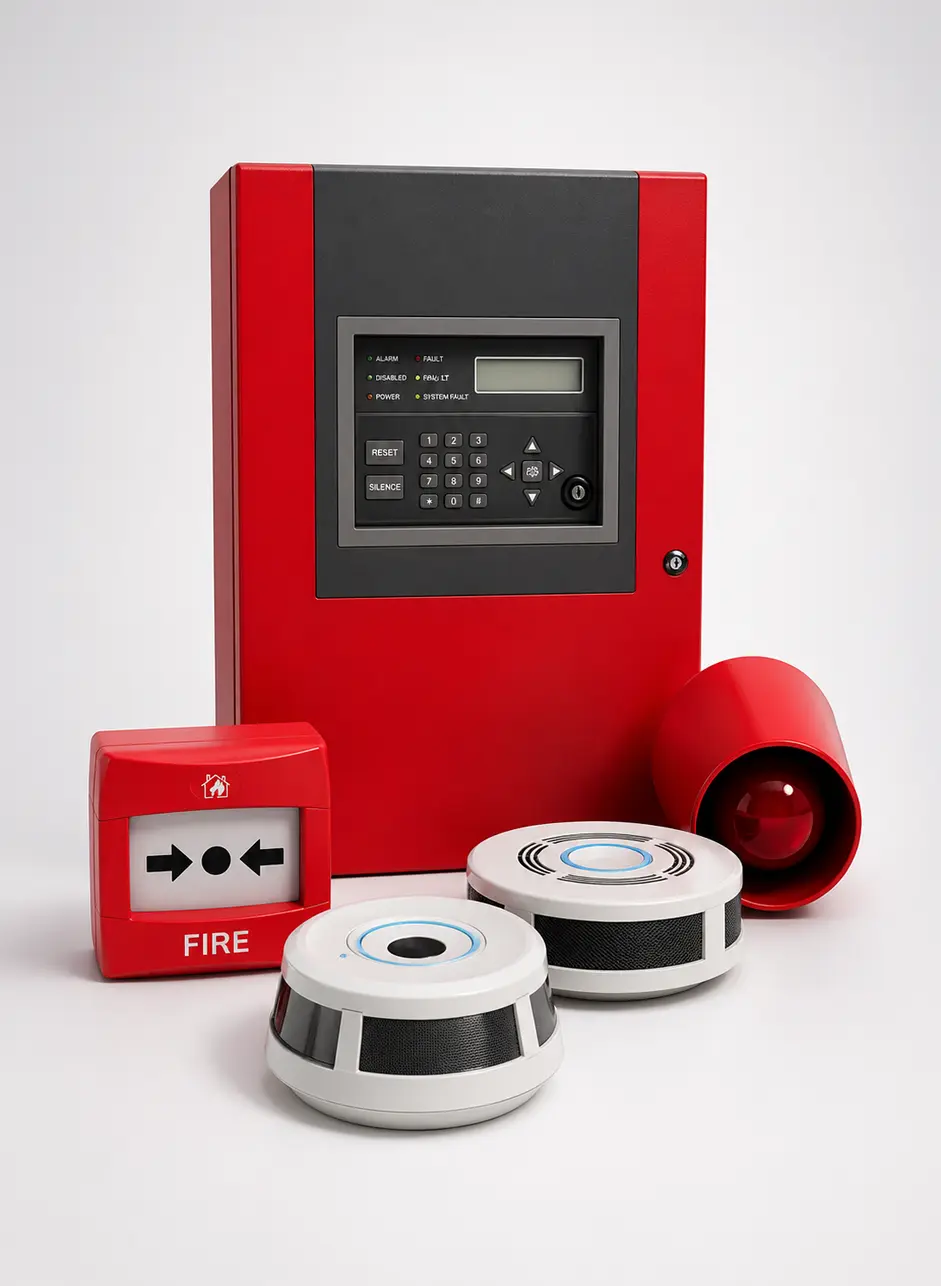
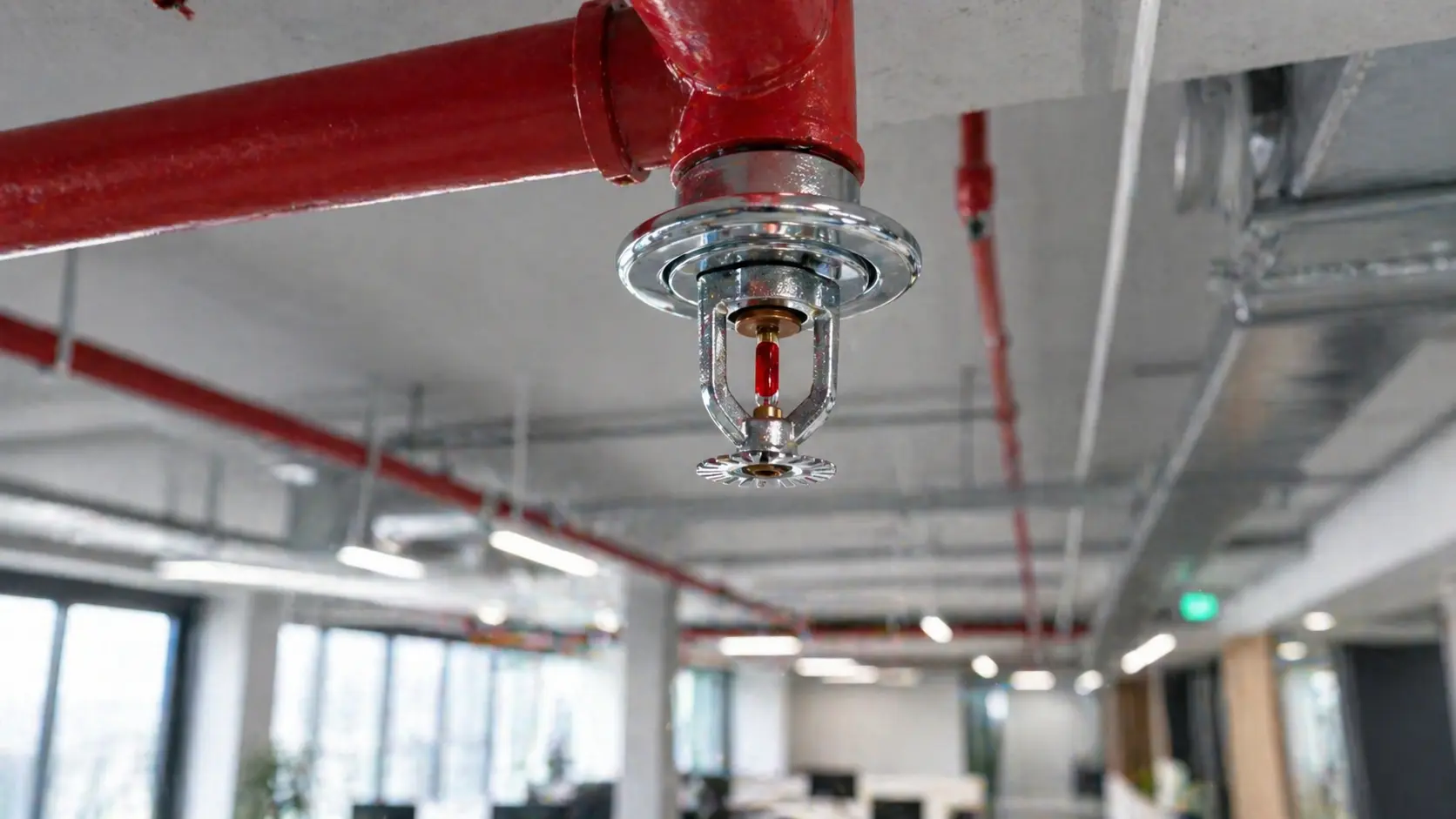
Active fire protection encompasses systems that detect and respond to fire conditions through mechanical or manual activation. These systems include fire alarms, sprinkler systems, fire extinguishers, and fire hoses. Active fire protection systems are designed to detect fire in its early stages, alert occupants, and either suppress a fire or assist in fire suppression efforts.
Fire alarms provide early warning to building occupants, allowing for safe evacuation before fire conditions become life-threatening. Sprinkler systems can potentially suppress a developing fire or control its growth until fire and rescue services arrive. These active systems require regular maintenance, testing, and human interaction to function effectively in the event of a fire.
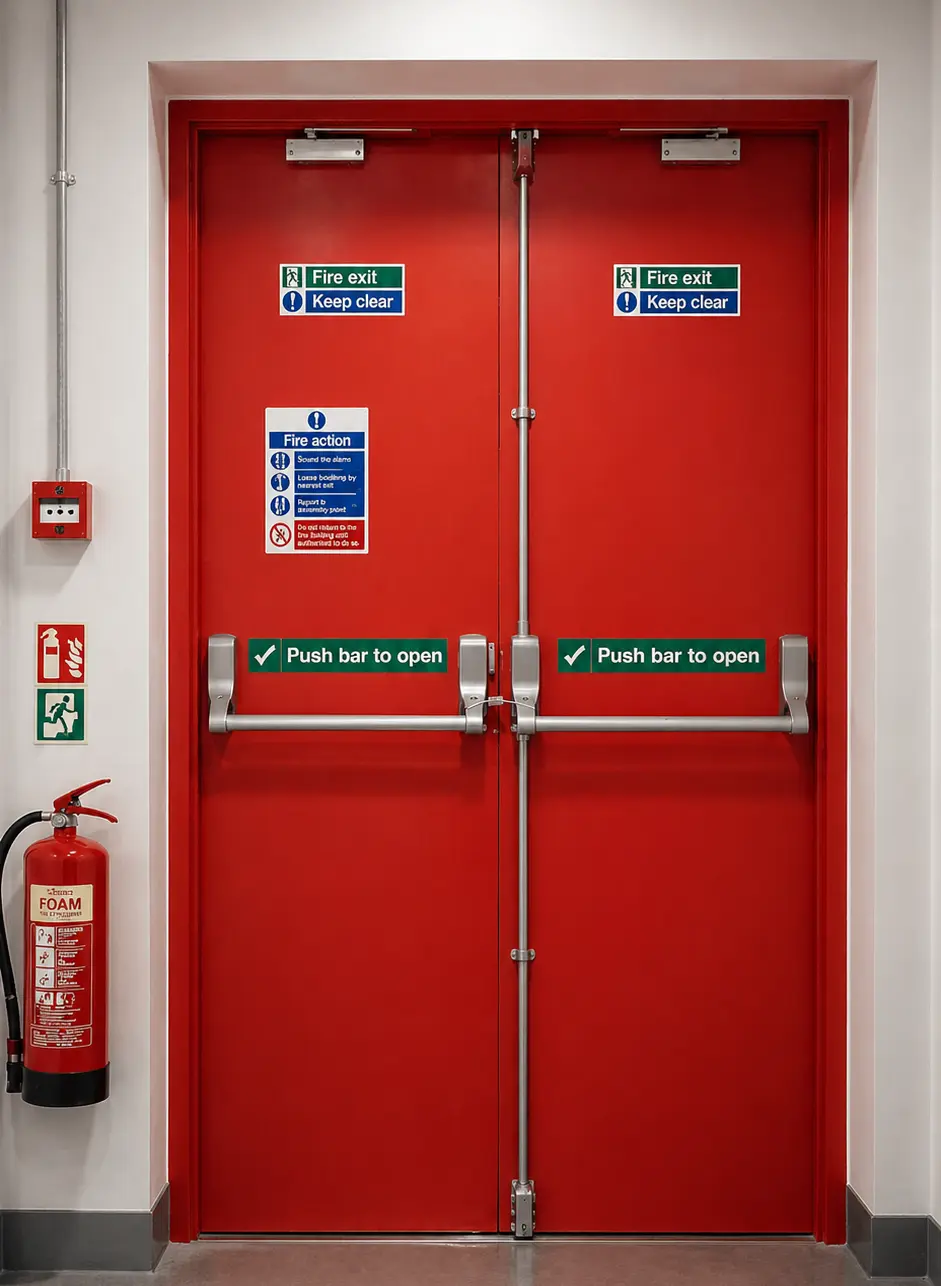
Passive fire protection systems are integral building elements designed to contain fire within specific compartments and prevent the spread of fire and smoke throughout a building. These systems include fire walls, fire doors, fire stopping materials, fire curtains, and fire resistant materials integrated into the building’s structure. Unlike active systems, passive fire control systems work automatically without requiring detection, activation, or human intervention.
The primary purpose of passive fire control is to maintain structural fire resistance and compartmentalise buildings to limit fire spread. Fire compartmentation divides buildings into separate fire-resistant sections, preventing fire from spreading from one area to another. This containment strategy provides crucial time for occupant evacuation and fire service response while protecting adjacent areas from fire and smoke damage.
Firestoppers combines chartered expertise with commercial pragmatism, delivering solutions that are:
Practical:
tailored to your workflows and facility constraints;
Comprehensive:
covering assessment, design, installation, and training under one roof;
Transparent:
fixed prices, clear scopes, and no hidden extras;
Nationwide:
rapid response from Dublin, Cork, Galway, Limerick, and beyond.
Hundreds of Irish organisations, from tech start‑ups to manufacturing giants, already trust Firestoppers to protect their people and assets. Let us do the same for you.